FIELD GUIDE · EXPLORE
La Chapelle-d’Angillon: château and Alain-Fournier country
La Chapelle-d’Angillon combines a freely walkable village with two separate access questions: the château museum’s schedule and a birthplace seen only from outside.
Read the village before going through a door
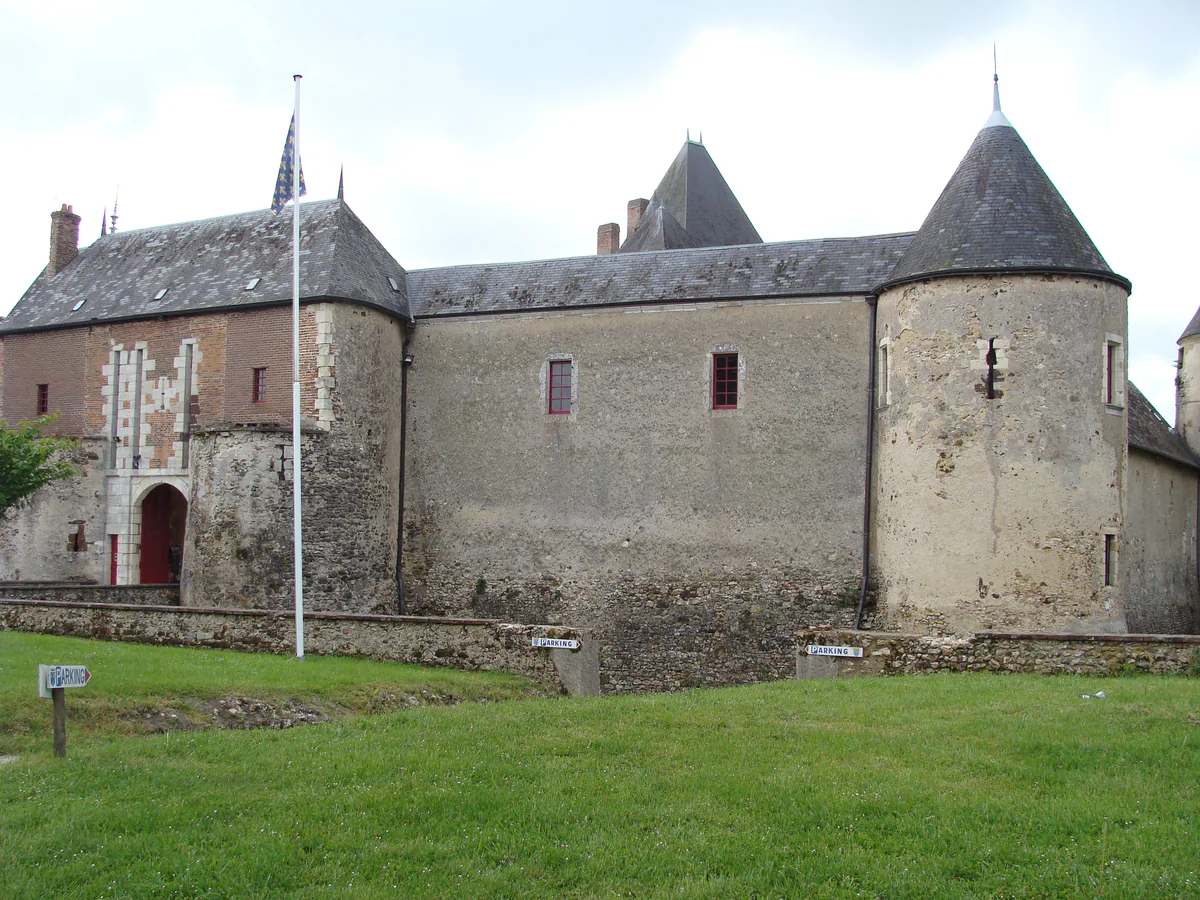
La Chapelle-d’Angillon links the former Principality of Boisbelle with the life of Alain-Fournier. Château de Béthune overlooks Étang des Barres, while Saint-Jacques church and the village streets form a first loop without a timetable. The tourist office’s current village page supplies the historical context and identifies the principal landmarks.
Start in the centre and view the church from the square, then find a public viewpoint by the pond. Waterside space should not be confused with château access or a designated swimming area. Follow local signs and stay on authorised paths.
Château and museum: confirm the actual slot
The château houses the Alain-Fournier museum, but it is a private site with a changing calendar of visits and events. Check the current château and museum listing before travelling and use the operator’s contact when anything remains unclear. An old medieval-festival poster proves neither the next edition’s date nor ordinary access.
The keep and successive architectural changes make the building significant, but do not build the whole day around an unconfirmed entrance. Without an indoor tour, the village, pond, church and literary circuit still make a coherent visit.
Alain-Fournier without crossing the threshold
Alain-Fournier, author of Le Grand Meaulnes—published in English as The Lost Estate—was born in the commune. His birthplace stands at 34 avenue Alain-Fournier and is an exterior-only sight. It is private property, not an extra museum. A better companion is to read a few pages before the walk and follow a public route towards Ivoy-le-Pré, rather than trying to assign every landscape to a precise scene in the novel.
Allow two hours for the village without admission, or a half-day with a confirmed château-museum visit. Plot the stops in Google Maps or OpenStreetMap. For a walking or cycling route, download the current sheet and arrange a return that does not depend on attraction hours.