FIELD GUIDE · EXPLORE
Villages of Sauldre and Sologne: plan a sensible route
Sauldre and Sologne works best as a series of small loops, not a race between monuments: choose one theme, leave time for paths and verify private access.
Fourteen communes, several distinct landscapes
The present-day territory comprises fourteen communes: Argent-sur-Sauldre, Aubigny-sur-Nère, Blancafort, Brinon-sur-Sauldre, Clémont, Ennordres, Ivoy-le-Pré, La Chapelle-d’Angillon, Ménétréol-sur-Sauldre, Méry-ès-Bois, Nançay, Oizon, Presly and Sainte-Montaine. They are not a string of major attractions operating all day. Their appeal lies in the sequence of an old centre, a church, a canal, a pond, a forest path or a literary connection.
For a first visit, start with the tourist office’s current Village Secrets directory and then open the individual commune page. It is the best place to check current trails and visitable sites. A church viewed from the square, a washhouse or an old street can be appreciated from public space; an inhabited château, local museum or forest estate commonly requires a separate access check.
Three routes that make geographic sense
The canal: Argent, Blancafort, Brinon and Clémont
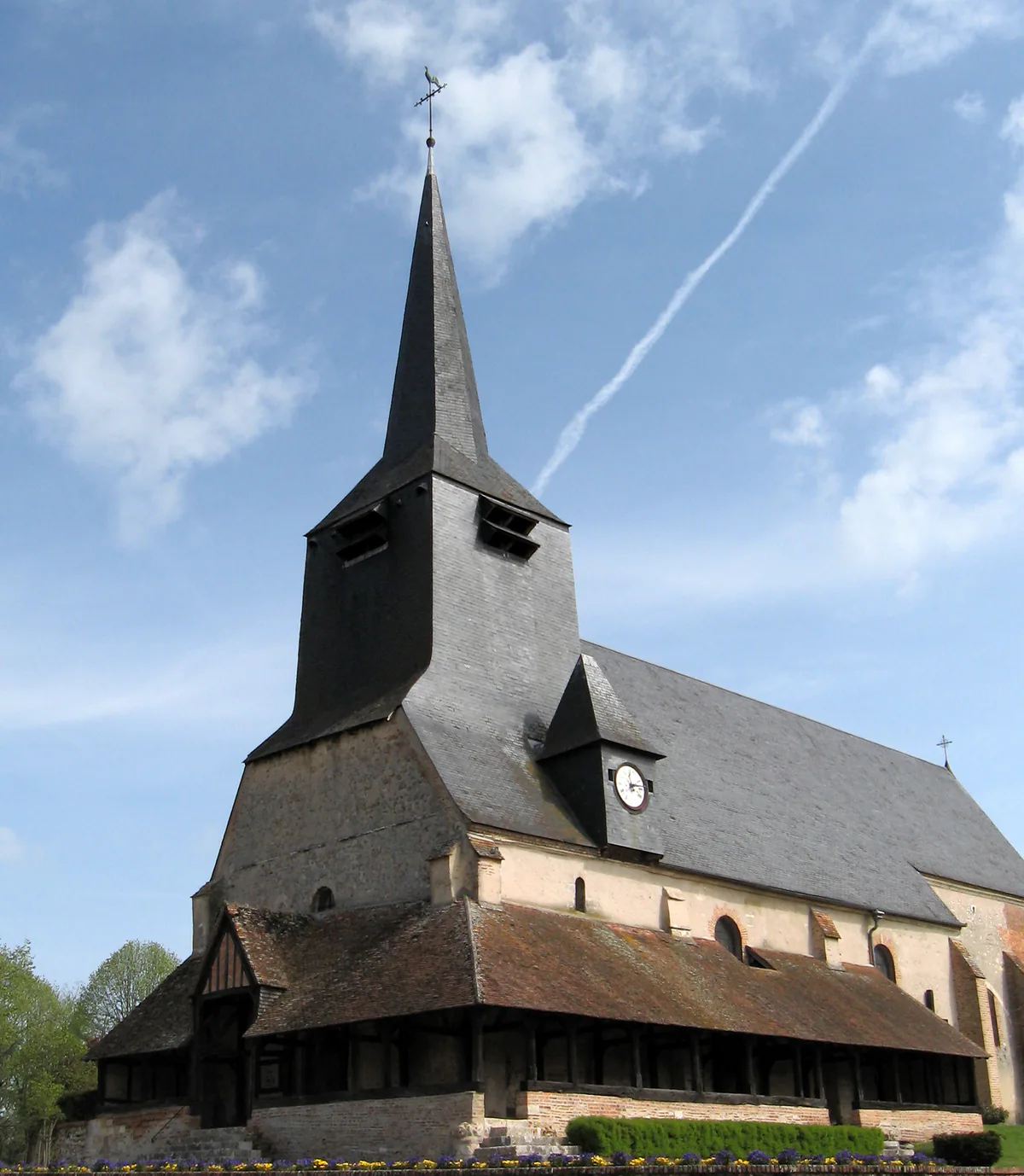
Argent-sur-Sauldre combines the Musée des Métiers d’Antan with the river and canal. Blancafort continues the theme through its brick château and the Sauldre Canal. Brinon-sur-Sauldre adds the church’s unusual covered porch, the Maison de la Forêt and walks associated with Maurice Genevoix’s Raboliot. Clémont is a quieter rural stop for its church, washhouses and former canal basin.
Do not treat the canal as a visitor navigation route. Today it is chiefly a landscape and walking corridor. Download the current trail, choose a manageable section and settle the return plan instead of attempting the whole line on impulse.
Stewarts and Alain-Fournier: Aubigny, Oizon, Ennordres, Ivoy and La Chapelle
Aubigny-sur-Nère is the clearest introduction to Franco-Scottish heritage and has a compact old centre. Oizon leads towards Château de la Verrerie, whose access depends on the estate’s current activities and calendar. Ennordres and Ivoy-le-Pré reward slower attention to rural heritage and paths. La Chapelle-d’Angillon brings together a château, the Alain-Fournier museum, the church and the writer’s birthplace, which is an exterior-only sight.
This circuit becomes rushed if you reserve two indoor visits on the same day. Choose one fixed appointment, then keep the other villages as flexible stops.
Forest, science and stories: Nançay, Ménétréol, Méry, Presly and Sainte-Montaine
Nançay deserves time for the Pôle des Étoiles and its scientific context; the working radio-observatory is not an open-access park. Ménétréol-sur-Sauldre calls for a careful approach to the protected Tourbière des Landes peatland. Méry-ès-Bois links forest, woodcraft and Lac des Armées. Presly is a pause for woodland lanes and understated rural heritage. Sainte-Montaine combines Belle Fontaine with the story of writer Marguerite Audoux.
How to visit a small village well
Park without obstructing a gateway, then begin with a short walk around the mairie or church. Notice the materials: Sologne brick, Pays-Fort stone, timber and old water-related structures reveal how the landscape changes. Never assume that a bakery, café or market will be open; check the day and time before making it your lunch plan.
In woods and beside ponds, remain on roads, marked trails and land clearly presented as public. An attractive drive, dyke or château visible from the road is not permission to enter. For a nature walk, review current conditions, weather, the hunting season and any restrictions protecting a sensitive habitat.
Setting the pace
A small village often needs forty-five to ninety minutes; Aubigny, Nançay or a château visit can take half a day. Two or three nearby communes make a more satisfying programme than six scattered pins. Keep spare time for minor roads and download your map before relying on mobile coverage.
For a multi-night trip, choose accommodation only after fixing the first morning visit and final evening stop. Our where-to-stay guide compares useful bases so that the villages do not become repetitive out-and-back drives.
Finally, check the tourist office agenda rather than assuming that a festival, market or guided walk repeats on the same weekend each year. A current event can transform parking and opening arrangements throughout a small centre.