FIELD GUIDE · EXPLORE
Aubigny-sur-Nère: plan a day in the town of the Stuarts
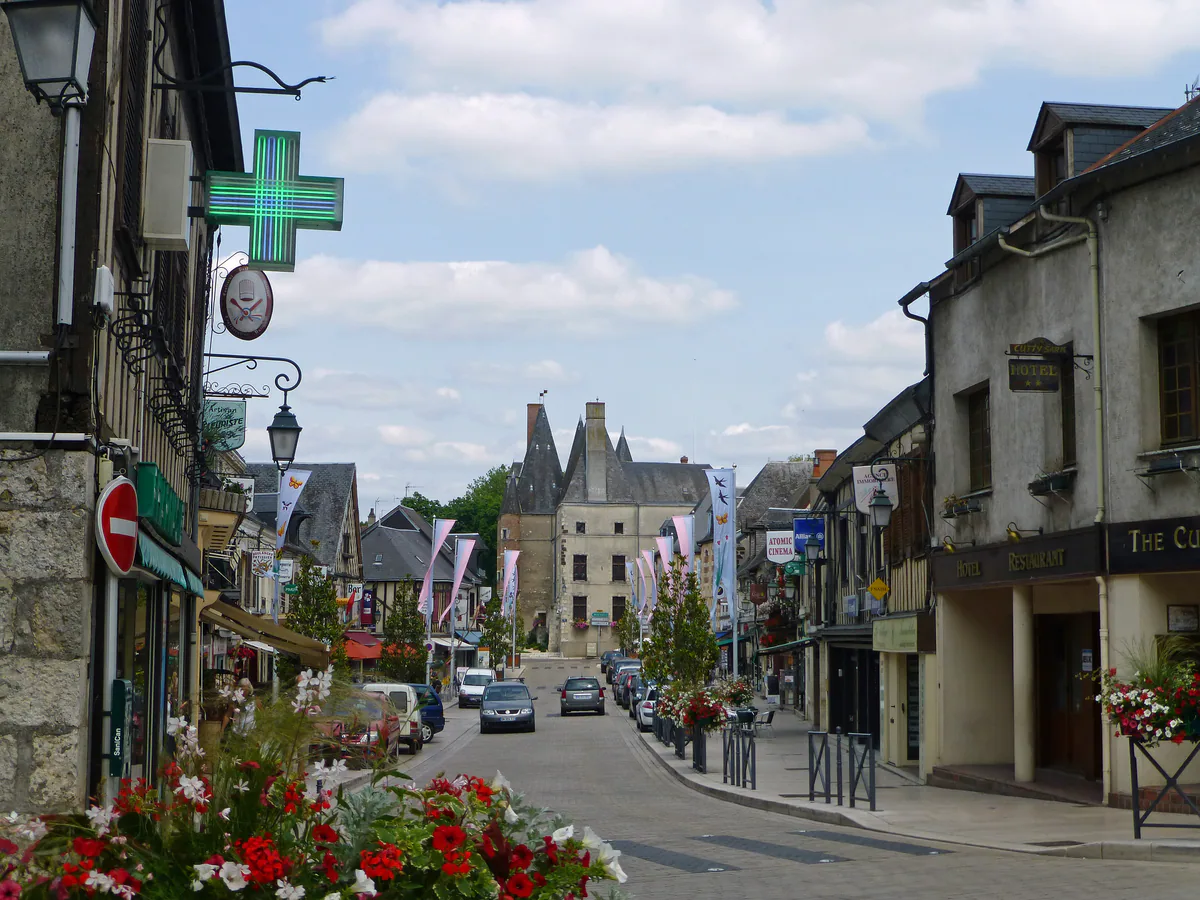
Aubigny works best on foot and without an overloaded schedule: start with the old town's timber fronts, understand the Scottish connection at the Château des Stuarts, then use the gardens and River Nère for a quieter finish.
ON THE MAP
Addresses and map links
Château des Stuarts and Auld Alliance interpretation centre
Place de la Résistance18700 Aubigny-sur-Nère
France
The château is a central landmark; admission to the interpretation rooms follows a separate seasonal timetable.
Sauldre et Sologne tourist office
1 rue de l'Église18700 Aubigny-sur-Nère
France
A useful stop for today's programme, a walking map and up-to-date admission information.
Why begin with Aubigny?
Aubigny-sur-Nère brings several of the area’s stories into a centre that can be explored on foot: timber architecture, the Franco-Scottish connection, public spaces around the château and a waterside walk. It is an especially useful base if you want heritage in the morning and countryside later without spending the whole day in a car.
The town is more than a row of picturesque fronts. Rebuilding after the fire of 1512 contributed to the group of timber-framed houses that survives today. The history of the Stuart lords separately explains the château, Scottish symbols and part of the town’s present identity. The tourist office’s historical overview of Aubigny is useful background before you arrive, but should not be treated as a real-time opening notice.
A walking sequence that makes sense
Begin near Saint-Martin church and move slowly through the old centre. Look above modern shopfront level: overhanging floors, structural timbers and the contrast between altered ground floors and older upper storeys make more sense when you compare several streets. A compact loop selected on site teaches more than racing between every marked house.
Continue to Place de la Résistance and the Château des Stuarts. The exterior supplies an architectural landmark; the Auld Alliance interpretation centre inside supplies the history often missing from a casual walk. Its exhibition rooms, activities and games have their own opening days and may require booking, so consult the town’s current visitor page before travelling.
Finish in the Grands Jardins and on a section of the River Nère walk. This quieter final stage works well with children or after an indoor visit. It also puts the château back into its physical setting instead of adding another monument to a checklist.
How much time do you need?
Half a day is enough for the centre, exterior architecture and a short river walk if you visit no interiors. Use a full day when the Auld Alliance centre is open, when you join a guided walk, or when you want a relaxed lunch. A Franco-Scottish festival day is a different undertaking: traffic, parking, crowds and access all change. Check the municipality’s Franco-Scottish festival page for the current edition rather than relying on a date copied from an older programme.
Market, breaks and a wet-weather plan
The weekly market can change the feel of the centre, but confirm its present location and any exceptional changes in the official market directory. Do not organise a trip around a market day found only in an undated blog post.
In rain, prioritise the Auld Alliance centre and exhibitions confirmed open that day. In dry weather, leave more room for the house fronts, gardens and river. Smaller heritage venues and galleries can be seasonal; the tourist office’s current museum and interpretation-centre directory is the sensible place to verify what is operating.
Add one coherent excursion
From Aubigny, choose one extension rather than collecting road miles. La Verrerie suits a castle-focused day; Argent-sur-Sauldre connects traditional crafts with the canal and Étang du Puits; Nançay combines science, contemporary art and a village walk. Recalculate driving times on the day. Aubigny does not have a regular passenger railway station, so a car or a carefully checked Rémi coach plan is particularly useful.
Save maps offline before setting out, verify each interior on its operator’s live page, and never assume that seeing a park from the street means every building is open. Those checks turn Aubigny into a meaningful introduction to Sauldre and Sologne rather than a brief photo stop.