FIELD GUIDE · EXPLORE
A realistic 48-hour weekend in Sauldre and Sologne
This weekend limits driving: Aubigny and its heritage on day one, then Argent, the canal and Étang du Puits, with Nançay as a deliberate alternative.
The weekend principle: two areas, not all of Sologne
In 48 hours, the clearest way to understand Sauldre and Sologne is to stay within two nearby areas. The first day focuses on Aubigny-sur-Nère and its Franco-Scottish heritage. The second connects Argent-sur-Sauldre, the canal and Étang du Puits. Nançay is a deliberate alternative rather than one more hurried stop.
Before booking, put your accommodation, confirmed openings and meals on one map. This is a rural area: a reasonable distance can take longer than expected, and restaurants or museums may not operate continuously. Our where to stay guide compares bases without inventing live availability.
Day 1 morning: understand Aubigny on foot
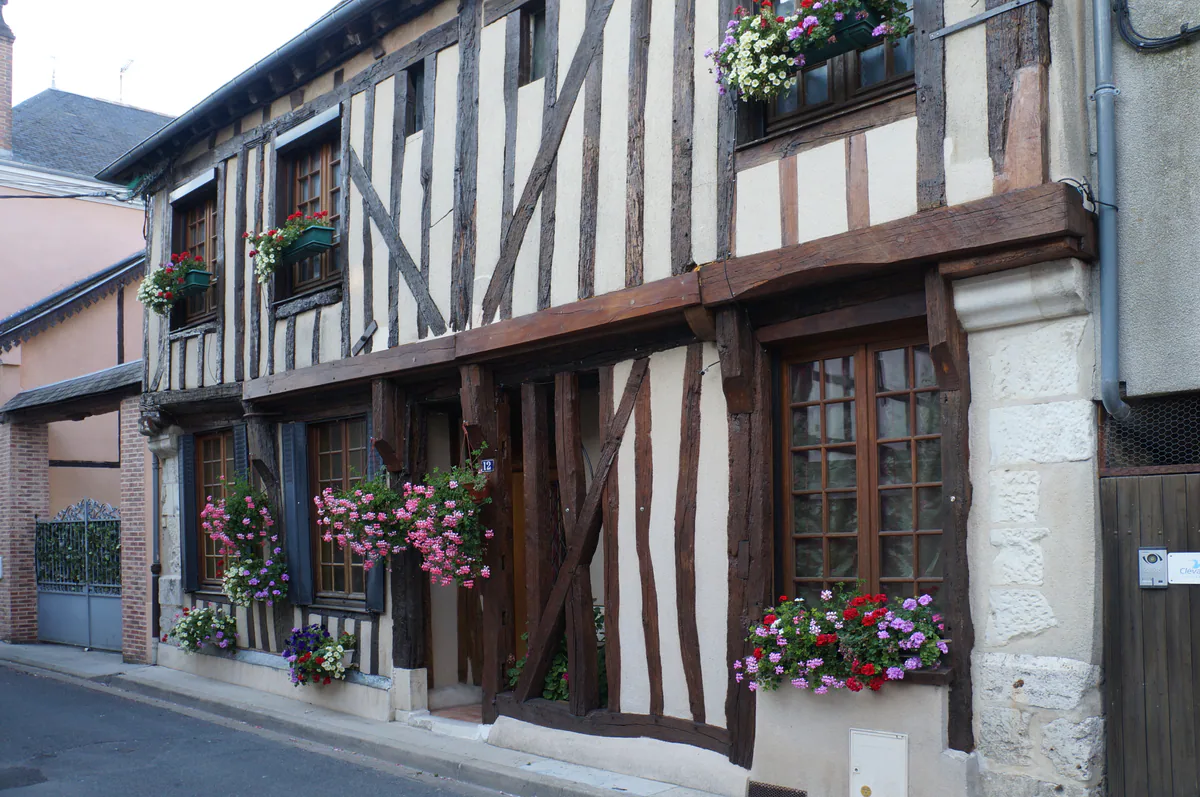
Begin near Saint-Martin church and walk through the old centre. Study the timber-framed houses, then reach Place de la Résistance and Château des Stuarts. The Auld Alliance interpretation centre supplies context when open; verify its hours and arrangements on the municipal page.
Do not try to photograph every façade. A slow circuit, a few architectural details and one indoor place are enough. Our Aubigny guide gives the full order and map points. If your stay overlaps a major event, check traffic and parking in the current events calendar.
Day 1 afternoon: gardens, the Nère and one extra
After lunch, use the Grands Jardins and keep a short section beside the Nère. Then add one extra: a confirmed exhibition, a short walking loop or Château de la Verrerie if its access is verified and you accept the additional drive.
Return to your base in the evening instead of adding a third village. Check the next day’s weather, lake access point and any reservation. When travelling without a car, verify the last practical Rémi connection before dinner; our getting around page explains the gateways.
Day 2 morning: Argent-sur-Sauldre and the canal
In Argent, begin with the centre, park and Musée des Métiers d’Antan if it is open. The museum supplies context for the area’s work and objects; the canal extends that story outside. Use La Marine or a published section of the Sente bleue, never assuming every bank forms one continuous path.
Our Sauldre Canal guide explains the links with marl, Blancafort and locks. If you prefer a long walk, make that the principal activity and drop either the museum or lake. A substantial circuit plus two visits rarely produces an enjoyable day.
Day 2 afternoon: Étang du Puits
Étang du Puits is the natural conclusion. It supplied the canal and opens the journey onto Sologne’s water and woodland landscape. Walk in authorised areas, observe without approaching birds and leave enough time for the return.
In season, water activity or bathing may alter the plan. Check the current official lake listing because operators, supervision and weather vary. Our lake guide covers safety and equipment. Never make the entire afternoon depend on an unconfirmed activity.
Alternative: choose Nançay instead
If astronomy, art or an indoor activity matters more, replace Sunday afternoon—or the whole second morning—with Nançay. Reserve a session at Pôle des Étoiles, then add the village and, if open, a gallery. Our Nançay guide prevents unnecessary backtracking.
Do not attempt Nançay in addition to Argent, the canal and the lake. The choice creates quality: science and village on one side, hydraulic landscape and nature on the other.
Wet-weather or family variation
In continuous rain, prioritise confirmed indoor places: the Auld Alliance centre, Musée des Métiers d’Antan or Pôle des Étoiles. Keep only a short walk between showers. With children, alternate a visit, a break and movement; our family activities page provides adaptable scenarios.
Final verification
Forty-eight hours before travelling, confirm openings, reservations and meals. The evening before, download maps and routes. In the morning, check weather, cancellations and access restrictions. This small routine preserves the weekend’s structure even when an activity falls away: one town, one heritage story and one landscape remain available.