FIELD GUIDE · EXPLORE
Argent-sur-Sauldre: canal, traditional trades and Étang du Puits
Argent-sur-Sauldre makes a coherent day: heritage and the museum in town, a pause beside the canal, then a separate journey to Étang du Puits if the weather and that day's activities make it worthwhile.
ON THE MAP
Addresses and map links
Musée des Métiers d'Antan
Esplanade du Château18410 Argent-sur-Sauldre
France
A seasonal museum in Château de Saint-Maur; check current opening and visit details on the official listing.
Étang du Puits, Argent-sur-Sauldre side
18410 Argent-sur-SauldreFrance
A large site with several approaches; follow signs and verify bathing, activities and restrictions for the day.
Two areas, one day
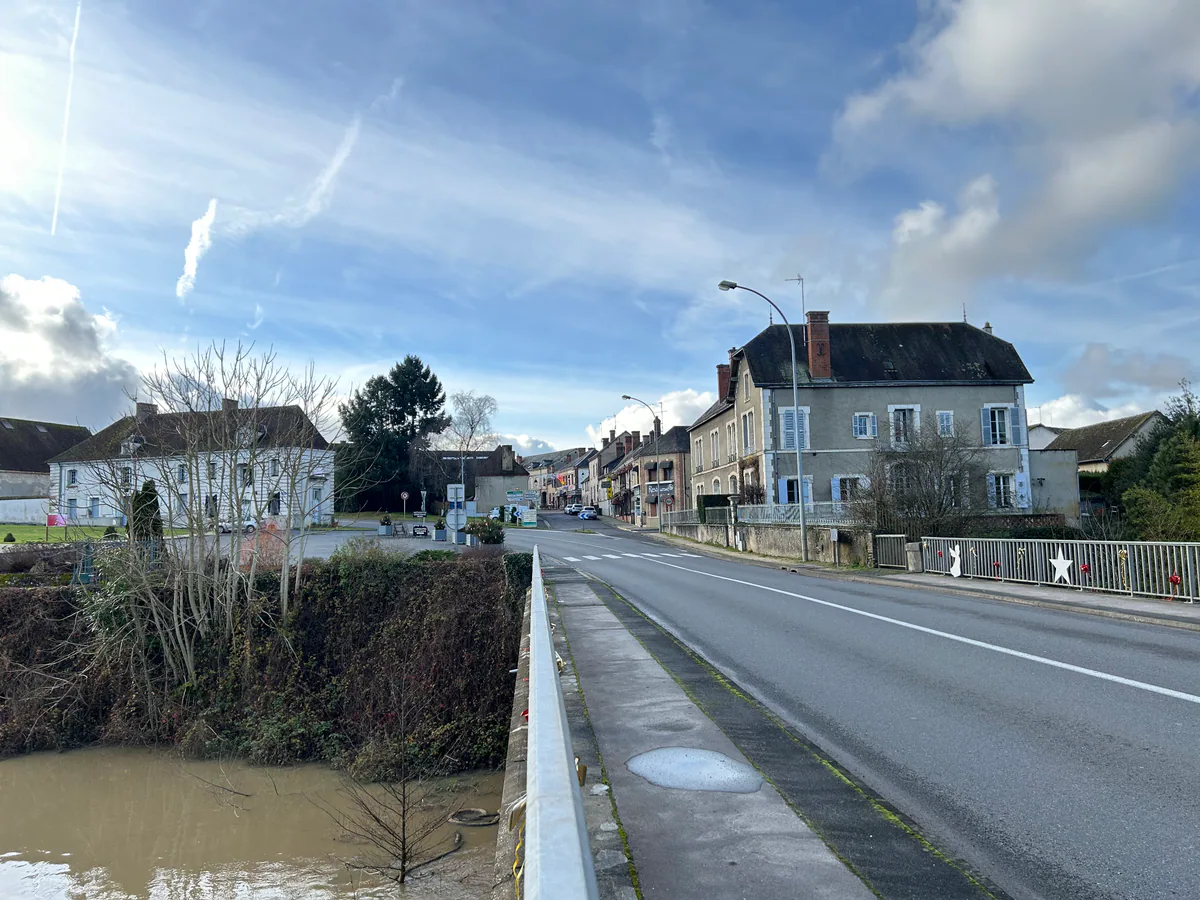
Argent-sur-Sauldre is easiest to understand as a two-part visit. The centre brings together Château de Saint-Maur, the Musée des Métiers d’Antan, Saint-André church, the river and the canal. Étang du Puits is a separate nature and water outing: you must select an approach, account for the season and check which uses are permitted.
That distinction prevents two common mistakes: looking for a beach in the town centre, or driving straight to the lake without understanding the canal’s story. The official Argent-sur-Sauldre overview provides a useful orientation.
Begin at Château de Saint-Maur
The château now houses the Musée des Métiers d’Antan. Its displays explore rural and craft work through tools, objects and reconstructed working spaces. The value is not in memorising a list of trades, but in seeing how farming, wood, textiles, shops and skilled handwork once fitted together in a small town and its countryside.
The museum is seasonal. “Open now” labels in directories become stale quickly; consult the official museum listing or the municipal page shortly before visiting. Also ask about access if somebody in your party needs to avoid stairs.
What can visitors genuinely see of Abbé Moreux?
Théophile Moreux, an astronomer, mathematician and popular-science author, was born in Argent-sur-Sauldre in 1867. The tourist office places his birthplace beside the traditional-trades museum. That makes it a meaningful biographical marker, but current tourism sources do not advertise a separate “Abbé Moreux Museum” with opening hours and ticketing. View the house from public space and do not assume that its interior is accessible.
The stop becomes more meaningful if your trip also includes the Pôle des Étoiles in Nançay: one site introduces a local figure who explained science to a broad readership; the other shows how astronomy is interpreted for visitors today.
Read the canal before heading to the lake
The Canal de la Sauldre belongs to the history of nineteenth-century works used to transport materials intended to improve Sologne’s soils. Its present appeal is landscape and recreation. Choose a short section from town rather than promising yourself a long continuous route without checking the path, banks and any diversions. The tourist office’s canal walk article gives context to the waterway.
Electric boats and paddle activities advertised locally depend on season, weather and operator availability. Use the current water-activity directory instead of an old poster.
Choose the right plan at Étang du Puits
The lake is extensive, and its shores do not form one single facility. Walking, wildlife watching, fishing, bathing and commercial leisure structures all follow different rules. The official Étang du Puits listing is a starting point, but bathing quality, water restrictions and lifeguard provision must be checked for the precise shore and date.
A successful first visit fits comfortably into one day: museum and town in the morning, the canal after lunch, and the lake for a walk or confirmed activity later. In rain or strong wind, substitute an open heritage visit rather than improvising on an unfamiliar shore.
Without a car, check the live Rémi planner for both the outward and return journey before choosing the lake. A service that reaches central Argent does not necessarily serve your selected shore or finish after an evening activity. Keep the town, museum and canal as the compact version of the day when onward transport cannot be confirmed.