FIELD GUIDE · EXPLORE
La Chapelle-d'Angillon and Alain-Fournier: a practical literary visit
La Chapelle-d'Angillon connects a writer with his native landscape, but each place has a precise status: the birthplace is viewed from public space, while museum access depends on the private château's opening.
ON THE MAP
Addresses and map links
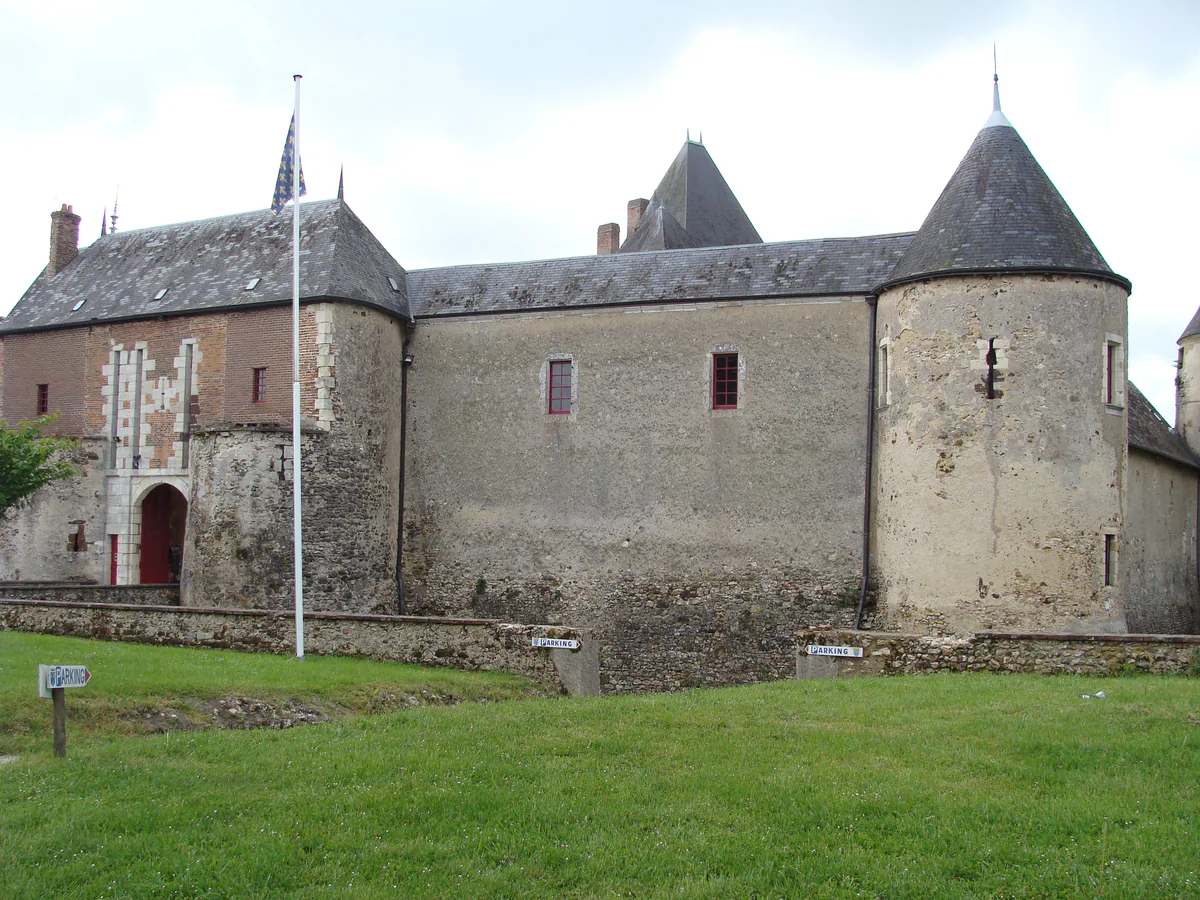
Château de La Chapelle-d'Angillon and Alain-Fournier museum
18380 La Chapelle-d'AngillonFrance
A private property offering visits according to its calendar; confirm access before travelling.
Alain-Fournier's birthplace
34 avenue Alain-Fournier18380 La Chapelle-d'Angillon
France
A private house not open to visitors; view only the exterior from public space.
Two places that must not be confused
Henri-Alban Fournier, known as Alain-Fournier, was born at La Chapelle-d’Angillon in 1886. His birthplace stands on avenue Alain-Fournier, but it is a private home rather than an open museum. The museum devoted to the writer is in the Château de La Chapelle-d’Angillon, itself a private property with its own visitor calendar.
That distinction must shape the visit. A biographical address can be viewed respectfully from a public road; it creates no right of entry. A collection advertised inside a château can only be seen when the operator confirms opening.
Begin with the village
Park legally in the village and explore the centre on foot. The château is a dominant landscape marker; the birthplace adds a more intimate scale. Between them, the streets and views towards the countryside help explain how local geography can feed a literary imagination.
Do not try to identify every scene in Le Grand Meaulnes with a real building. The novel, published in 1913, transforms memories, places and experiences. A worthwhile visit separates documented biography from a reader’s interpretation. The tourist office’s local figures page supplies an appropriate starting framework.
Visiting the château and museum
Consult the current listing for the château and Alain-Fournier museum immediately before travelling. Confirm the day, time, booking requirement, visit language or format and included spaces. The château’s own site can block some automated tools. That does not necessarily mean the property is closed, but makes direct confirmation more important.
When accessible, the literary collection provides context for the author and his work. The château also has its own history; do not erase the monument in favour of a single fictional association.
Half a day or a full day?
Without an interior visit, a respectful village walk is a short stop rather than a full-day attraction. When the château and museum are open, allow a comfortable half day. Add only one extension: La Verrerie for the link between literature and an estate landscape, or Nançay to continue with art and astronomy.
The municipality’s heritage page helps identify local landmarks. It also illustrates an important point: visible heritage is not necessarily a permanent visitor facility.
Respecting a living village
Do not photograph through the birthplace windows, block its entrance or present residents and an imagined interior as part of a public visit. At the château, remain on the authorised route and follow its photography policy. The place is interesting precisely because a living village, private monument and literary memory overlap without becoming the same thing.
Leave any gate, garden or doorway exactly as you found it and keep voices low outside homes.