FIELD GUIDE · EXPLORE
Quincy wine tasting in Ivoy-le-Pré: Domaine Adèle Rouzé guide
Domaine Adèle Rouzé's tasting cellar is in Ivoy-le-Pré, while Quincy AOP refers to terroirs in Quincy and Brinay. Make an appointment, bring useful questions and nominate a driver who will not drink before the visit begins.
ON THE MAP
Addresses and map links
Domaine Adèle Rouzé — cellar and tasting
8 route d'Henrichemont18380 Ivoy-le-Pré
France
The producer asks visitors to phone and agree an appointment before coming to the cellar.
Why is a Quincy cellar in Ivoy-le-Pré?
Domaine Adèle Rouzé receives visitors at its cellar in Ivoy-le-Pré, but the name on the bottle identifies the appellation rather than the tasting address. The official Centre-Loire wine overview describes Quincy as a dry white appellation made from Sauvignon Blanc and places its vineyard across the communes of Quincy and Brinay. The domain’s profile from the same official body explains that it works plots across different terroirs in those two communes.
That distinction supplies a good first question: where are the plots behind the wine in your glass, and why might the blend vary between vintages? It also prevents a navigation error. To meet the producer, use the cellar address, 8 route d’Henrichemont, 18380 Ivoy-le-Pré, rather than entering only “Quincy” in a satnav.
An appointment is essential
The Domaine Adèle Rouzé website asks visitors to phone before coming and states that reception is by appointment. Make the request early, say how many people are coming, specify your preferred language and explain whether you seek a tasting, collection of an order, discussion or purchase. Wait for confirmation of the date, time and exact arrival point.
A working cellar is not a continuously open museum. Harvest, cellar work, professional travel and existing appointments can change availability. Do not arrive with an unannounced group or rely on old opening information from a directory. Ask whether under-18s may accompany the group, whether seating is available and whether the route works for someone with reduced mobility.
Taste with a simple framework
A tasting becomes more useful when you compare without hunting for a supposedly correct answer. Look at the colour, smell first without moving the glass, then again after a gentle swirl. On the palate, notice acidity, texture, length and how aromas develop. Ask the producer how vintage, plots, soils and winemaking decisions relate to what you perceive.
The AOP supplies a shared framework, but it cannot replace the domain’s explanation. Do not demand that a Quincy reproduce a flavour list copied from the internet. Ask four concrete questions instead. Which cuvée is this? Which vintage? At what temperature does the producer suggest serving it? What kind of food do they recommend? The answers should belong to the actual wine available that day.
If purchasing, ask how to transport and store bottles. Do not leave them to heat in a sunlit car. International travellers must check the baggage, customs and import limits for their own itinerary. A merchant’s ability to dispatch wine somewhere does not guarantee delivery to every country.
Decide the return before tasting
Roads around Ivoy-le-Pré are rural, and a tasting never justifies driving after drinking. Before arrival, designate a driver who will consume no alcohol, book a taxi with the return confirmed, or arrange suitable transport and an overnight stay. Spitting during a tasting and requesting water are normal practices, not signs of discourtesy.
Do not try to calculate whether you are “just under the limit”. Alcohol affects driving even when someone feels normal, and coffee, food or a short pause does not remove it. France’s official road-safety guidance explains effects including reduced field of vision, impaired coordination and slower reactions. The simplest choice for the person driving is no alcohol at all.
Complete the visit without overloading it
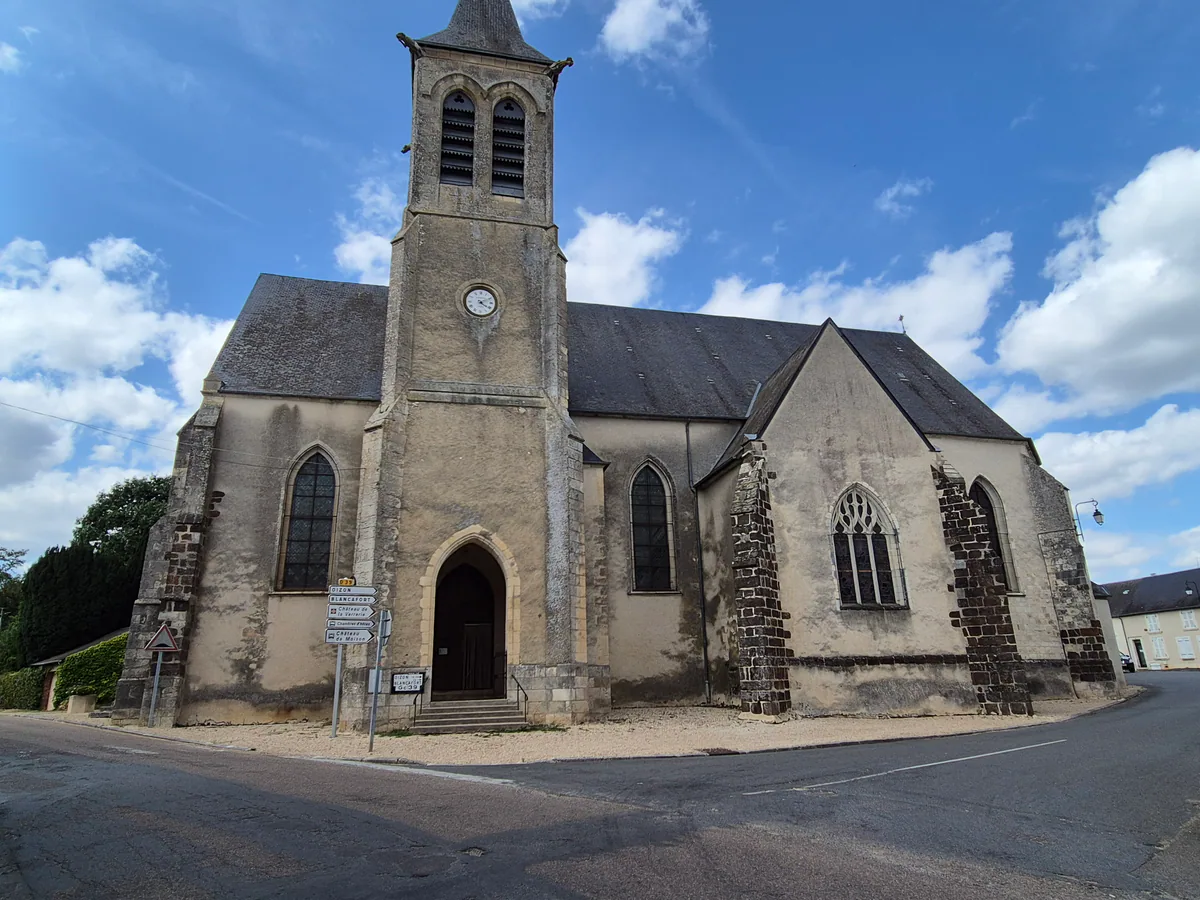
Before or after the appointment, Ivoy-le-Pré offers a short circuit around the church, washhouse and public landmarks. Châteaux and houses visible in the countryside are not automatically open to visitors. Stay in public space and use a published route.
La Chapelle-d’Angillon makes a coherent second heritage stop; a market or planned picnic can also complement the tasting. Do not place two domains in the itinerary if no one can provide a sober return. One prepared encounter, with time to listen and ask questions, teaches more than a hurried sequence of glasses.